
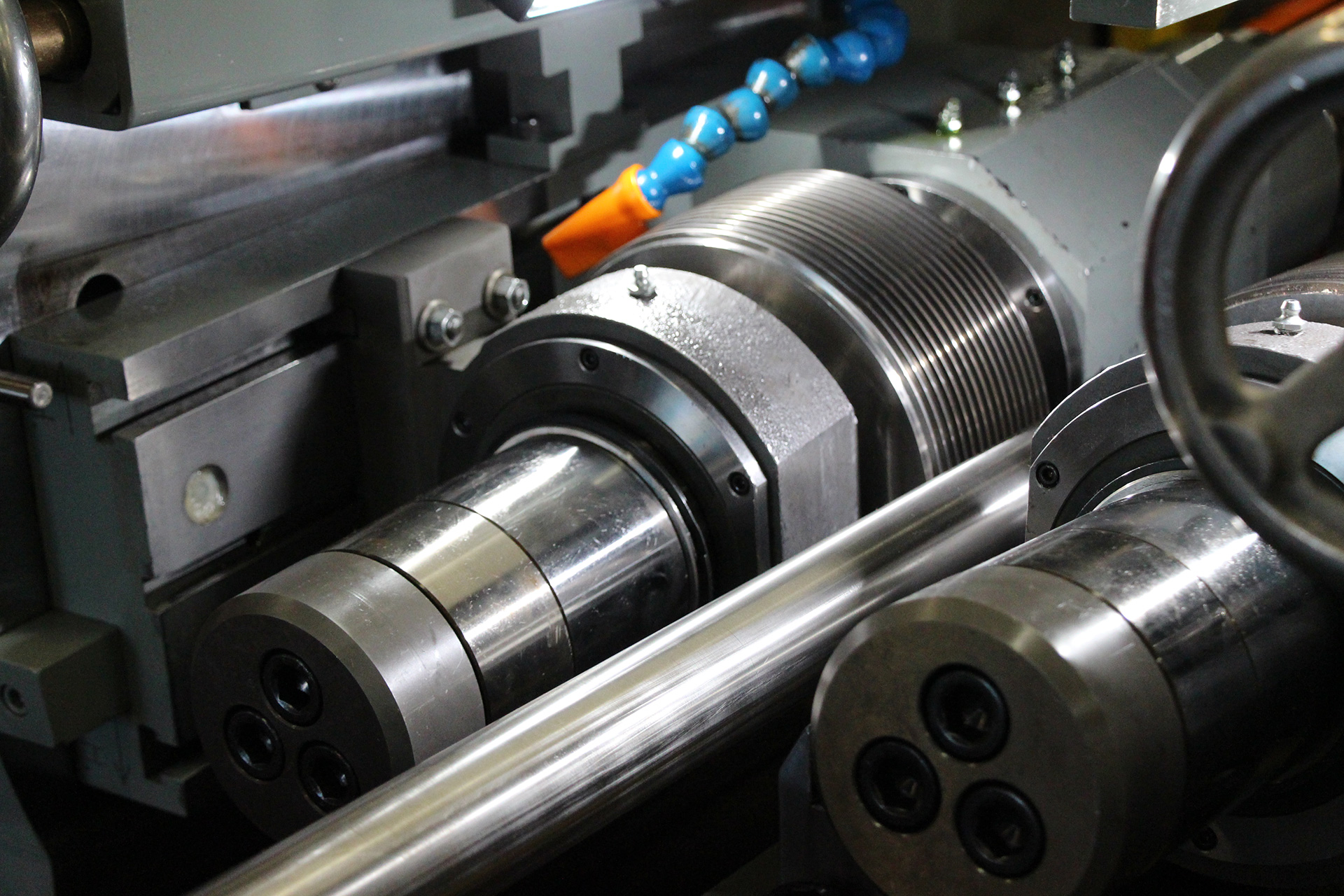
Fatigue resistance plays an important role in fasteners’ long-term performance. Over time, repeated exposure to loading, vibration, and stress can cause small cracks to form and eventually lead to component failure. The way threads are manufactured can have a significant impact on how well a fastener holds up under these conditions. Rolled threads typically exhibit a significant greater fatigue strength than cut threads, helping components withstand repeated stress and extend their service life.
Thread rolling improves fatigue resistance by strengthening the material, preserving grain flow, and producing a smoother thread surface. Compared to traditional thread cutting, this cold-forming process creates threads that are better equipped to withstand repeated stress and demanding operating conditions.
What Is Fatigue Resistance?
Fatigue occurs when a material experiences repeated cycles of loading and unloading. Repeated stress can eventually cause cracks to develop and spread, even when the applied force is below the material’s ultimate strength.
Thread roots, the lowest points between the crests of a thread, are particularly susceptible to fatigue failure because stress tends to concentrate in these areas. Surface imperfections and interruptions in the material’s grain structure can make the problem worse.
Choosing the right threading method can help reduce these risks for manufacturers needing components that must perform reliably over time.
Preserving Grain Flow for Greater Strength
A primary advantage of thread rolling is its ability to preserve and reshape the material’s natural grain structure. Rather than removing material to create threads, rolling dies apply pressure to a metal blank, which displaces the material into the desired thread profile.
This allows the grain flow to follow the contours of the threads rather than being cut through. The result is a continuous grain structure that supports the thread profile and helps it withstand demanding loads.
The cold-working process can also increase material strength by up to 30% compared to cut threads. This added strength allows rolled threads to perform in applications where they must handle significant mechanical stress.
Reducing Surface Imperfections and Stress Concentrations
Fatigue cracks often begin at small surface imperfections, including tool marks and microscopic defects. These imperfections create localized stress concentrations that make a material more vulnerable to cracking under repeated loads.
Thread rolling produces a smooth, consistent surface that reduces potential crack initiation points. The process also creates compressive residual stresses near the thread surface and root. These stresses help counteract the tensile stresses that contribute to fatigue crack formation.
Together, the improved surface finish and beneficial compressive stresses help rolled threads resist fatigue and maintain their integrity through repeated loading cycles.
Why Choose Rolled Threads
The combined benefits of cold working, continuous grain flow, and improved surface condition give rolled threads a significant advantage in fatigue-sensitive applications. Rolled Threads Unlimited helps manufacturers achieve the strength, consistency, and performance their applications demand. Get a quote for your application today!