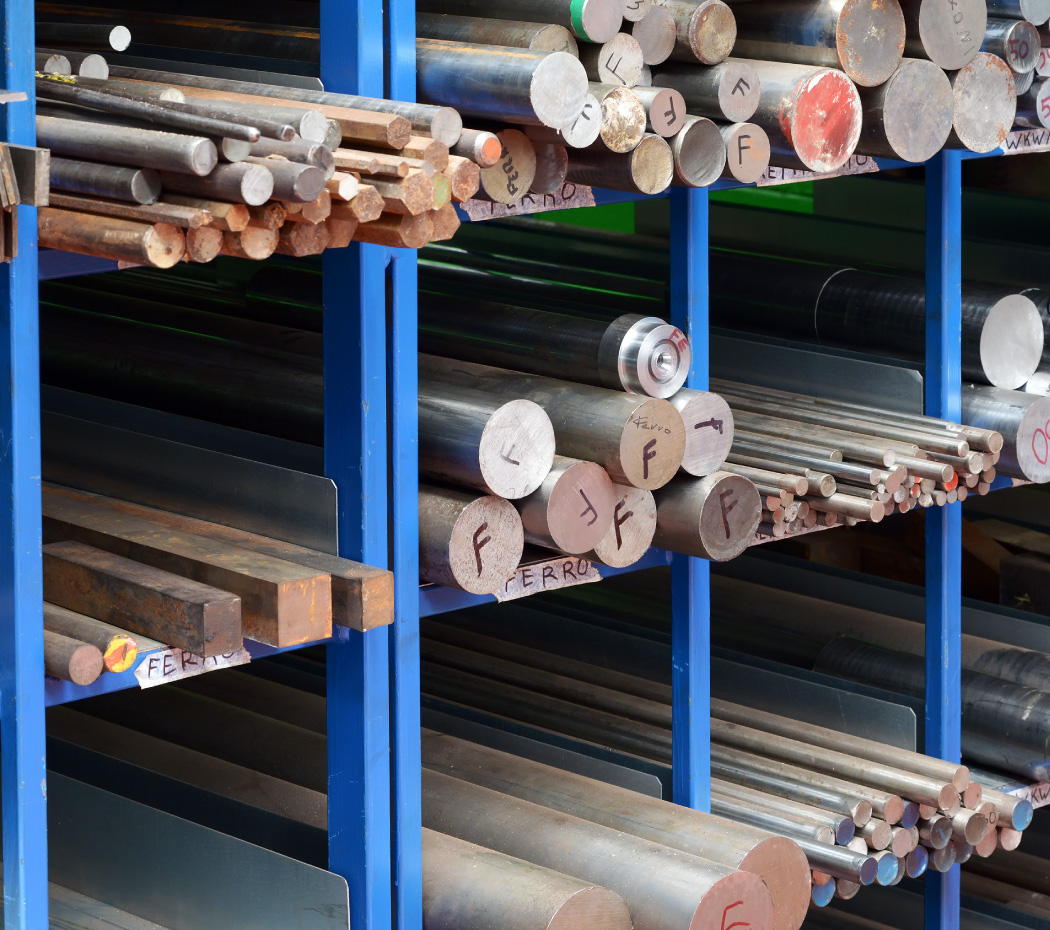
Thread rolling is a proven, efficient method for producing strong, consistent external threads. Since thread rolling is a cold-forming process, the materials being rolled play an important role in how well threads form and perform. While material selection is driven by application and design requirements, understanding how commonly rolled materials behave during the process can help establish realistic expectations for manufacturability.
At Rolled Threads Unlimited, our expertise lies in precision thread rolling across a wide range of materials. The following overview highlights materials frequently used in thread rolling applications and how they typically respond to the process.
Unlike cutting or grinding, thread rolling forms threads by displacing material. This process strengthens the thread by maintaining continuous grain flow, but it also requires materials with enough ductility to deform without cracking or fracturing. Excessively hard or brittle materials are generally not suited for thread rolling.
Materials Commonly Used in Thread Rolling
Low Carbon Steel
Low carbon steel is one of the most widely thread-rolled materials. Its ductility and consistency make it well suited for cold forming, allowing threads to be rolled efficiently while maintaining strength and dimensional accuracy. See why 1018 and 1045 are better options for thread rolling than free machining steels like 1141, 12L14 and 1215 here.
Alloy Steel and Heat-Treated Alloy Steel
Alloy steels contain additional elements such as chromium, molybdenum, or nickel to enhance mechanical properties. These materials are often selected for applications requiring higher strength or durability.
Heat-treated alloy steels are also commonly thread rolled, provided the material condition supports proper forming. When matched with the appropriate process controls, these materials can produce durable, high-strength threads for demanding applications.
Stainless Steel
Stainless steel is frequently used where corrosion resistance is a key requirement. Austenitic grades are commonly thread rolled and found in applications across food processing, medical, marine, and industrial environments. While stainless steel generally requires greater forming force than carbon steel, it can produce high-quality rolled threads when properly processed.
Nickel Alloys
Nickel alloys are used in applications requiring corrosion resistance, strength, or performance in challenging environments. These materials can be more demanding to roll but are commonly specified for specialized industrial uses where performance requirements justify the added complexity.
Aluminum
Aluminum and its alloys are lightweight and corrosion-resistant, making them popular in aerospace, automotive, and other weight-sensitive applications.
Brass
Brass offers good corrosion resistance and excellent formability, making it well suited for thread rolling unified and metric threads. It is commonly used in applications where appearance, conductivity, or resistance to corrosion is important.
Copper
Copper is valued for its electrical and thermal conductivity and can be successfully thread rolled in applications where these properties are critical. Its softness allows for smooth thread formation.
Rolled Threads Unlimited specializes in producing high-quality rolled threads across a broad range of materials. Our focus remains on delivering reliable results that meet customer specifications—efficiently and at scale.
If you’re evaluating whether thread rolling is the right fit for your application, our team is always available to discuss capabilities and process considerations. Contact us to get your project started.